

Heads Up – There May Be Parasites in the Poop

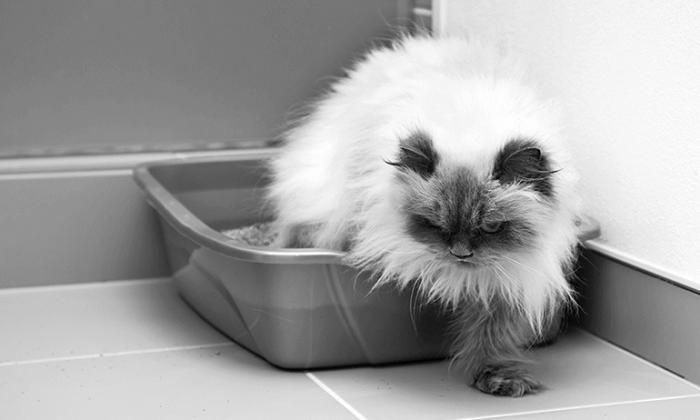
Cindy and I have cats. We have had cats since before we were married. I enjoyed the cats because, if for no other reason, I didn’t clean out the cat box. That was Cindy’s “job”. Then Cindy got pregnant. The first thing the doctor told her was NOT to clean the cat box for fear she would get “Toxoplasma gondii”. The “kitty litter cleaner” became my daily job. Funny, she hasn’t been pregnant for over 36 years and yet, I’m still the kitty litter cleaner!
T. gondii is a mostly harmless parasite that gets into the body through either contaminated meat or the wastes of cats. Cats are the major carrier of this parasite. They get the parasite from eating infected mice, birds, etc. The parasite forms cysts in the meat of the animal it infects. Once in the stomach of the cat, the cysts dissolve releasing the parasite, which then sexually reproduces producing eggs for a couple of weeks.
The eggs pass out of the cat in the poop. If a human comes into contact with the poop, either out in the garden working the soil or in the basement where the cat litter box is, they can (hopefully by accident) transfer the eggs to the mouth. The eggs hatch in the stomach and burrow into the body traveling in the blood until they find a cell, either a muscle cell or nerve cell, into which they burrow and live the rest of their life. This parasite cannot be transmitted from person to person except through a transfusion or from the womb of the mother to the developing fetus.
T. gondii in a developing baby may result in intellectual disabilities, cerebral palsy, hearing loss, vision problems, and seizures. In adults, it is usually not serious. In newborns it is very serious, which is why I started to clean the cat box. It doesn’t, however, explain why I am still cleaning the cat box!
While you may not be very familiar with T. gondii it is one of the most common human parasites in the world and estimates are that over 50% of adults are infected. It is also estimated that half of all cats in the U.S. have at one time contained the parasite.
You may be congratulating yourself on being a “dog person” and not a “cat person”. Dogs are coprophages.
That means they eat poop. My old dog was definitely a coprophage. The minute she would come into the house she would head down the stairs to the cat box. Though I cleaned the box every night there was rarely any cat poop in the litter…the dog saw to that!
The estimate is that 20% - 50% of all dogs have been infected with T. gondii at one time or another. But don’t worry. The parasite finds a nerve or muscle cell of the dog and lives there the rest of its life, so the good news is that you probably won’t get T. gondii from your dog’s poop.
The bad news is that dogs like to roll in stuff. The gunkier the better. Cat poop can be pretty gunky.
Your dog rolls in the poop out in the yard and gets the eggs on her fur. You cuddle and pet the dog getting the eggs on your hands. A question, do you wash your hands every time you pet your dog? I didn’t either.