
How Colon Cancer Touched My Family
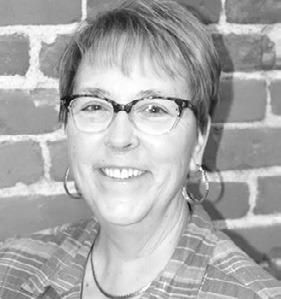
I am going to take my column space this week to talk about a very serious subject. It may not be a topic of conversation at the dinner table or coffee shop, but it is one that hits close to home for me.
March is Colorectal Cancer Prevention Month. Did you know that colorectal cancer is the second deadliest cancer in Nebraska?
For most people, talking about a colonoscopy ranks right up there with planning a root canal! No one would argue the fact that getting one is unpleasant; however, having a colonoscopy could quite literally save your life.
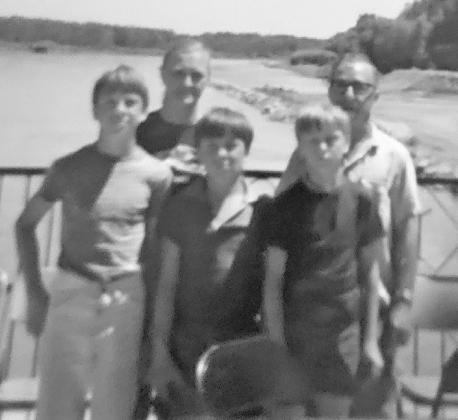
I was only 7-years-old the first time I heard the phrase “colon cancer”. Obviously, I was much too young to even have a clue what that meant. I knew my dad was very sick and we had to go visit him in the VA hospital in Grand Island. He was only 39-years-old when he received the diagnosis.
Treatments for things like that looked much different in the late 60s than it does now.
And the survival rate for that kind of diagnosis was much lower than it is these days. But again, I was not aware of all of that then. I don’t remember even being aware of the fact that my dad might die.
As I recall, he had two surgeries, each time removing a little more of his intestine in an attempt to eradicate the cancer. Apparently, that did not work, because he underwent a third surgery where a colostomy was performed, which he had for the remainder of his life.
I don’t really remember him being down and out for long. He did not undergo chemotherapy or radiation, and it seemed as though he resumed his normal routine fairly quickly.
A few years after my dad’s colostomy, my mom’s first cousin was diagnosed with colon cancer. He was not so lucky. I think that might have been the first time I fully understood the reality of my dad’s disease, and the close call he had.
While I would like to tell you there was a happy ending to the story, I cannot. Although he survived colon cancer and could have continued to live a long life, my father was never able to give up the habit of smoking - and at the age of 65, he died of emphysema. But that may be a column for a different day!
When I turned 40, I scheduled my first colonoscopy. I have been diligent about getting them routinely ever since. I also know there are certain things I can do to help reduce my risk of developing colon cancer, such as regular exercise, not smoking or heavily consuming alcohol, and eating foods high in fiber, to name a few.
Major health organizations have recently updated their guidance on colonoscopy screening, now recommending that individuals of average risk begin screening at the age of 45. Follow-up screenings are typically done every 10 years. If a first-degree relative (parent, sibling, or child) had colorectal cancer or polyps, you should start screenings at age 40 or 10 years younger than the age they were diagnosed, whichever is earlier. These recommendations have been updated due to a rising rate of colorectal cancer among younger adults.
So I guess my pitch to you is this…if you have a family history or are over the age of 45, schedule a colonoscopy this month. It could just save your life.