
Know The Facts About Medicare Advantage
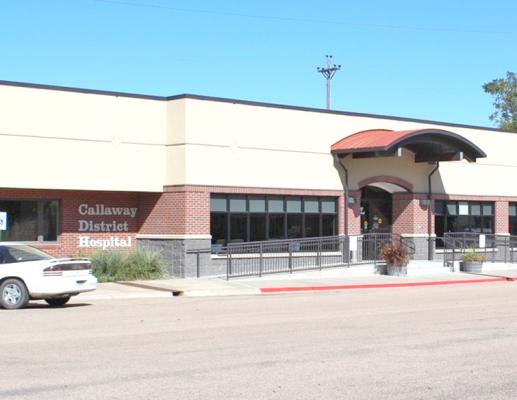
As of July 1, new legislative bills to enhance Medicaid services have gone into effect, expanding access to healthcare services.
Medicaid is a joint federal and state program offering medical coverage to a broad range of individuals with limited income and resources. Individuals may qualify if they are 18 or younger, pregnant, a parent or caretaker, over 65, under 65 with a disability, a low-income adult between the ages of 19 and 64, or a former foster care youth. Eligibility is determined by factors such as income, family size, and available resources.
The Nebraska Department of Health and Human Services administers the program, which covers services such as nursing home care and personal care services, and benefits not included under Medicare. Most Medicaid recipients do not pay out-of-pocket for care, though small co-pays may be required.
Some individuals confuse Medicaid and Medicare; however, Medicare, is a federal health insurance program for individuals 65 years and older, as well as those with certain disabilities or diseases. Medicare is the same across all states and consists of four parts: hospital insurance, medical insurance, Medicare Advantage, and prescription drug coverage. Unlike Medicaid, Medicare requires individuals to contribute through premiums, deductibles, or coinsurance.
There has been a great deal of conversation recently about the Medicare Advantage plan. Callaway District Hospital encourages Nebraska seniors to educate themselves on their Medicare enrollment choices this fall.
According to a report issued by the Nebraska Hospital Association (NHA), Medicare Advantage (MA) plans now cover the majority (51%) of all Medicare-eligible individuals. This is up sharply from five years ago when just over one-third of seniors chose Advantage
cont. PAGE 3 - Medicare plans. Due to the lure of lower out-of-pocket costs and aggressive sales tactics, in 2024, even more enrollees are expected to forgo their benefits of traditional Medicare and enroll in MA plans.
While some enrollees may see savings, many living in rural communities across the state are losing access to medically necessary care with plans that erode the state’s rural healthcare infrastructure and ultimately leave more cost on the backs of our seniors in these communities, the NHA says. It’s important for Nebraska seniors to understand that not all Nebraska hospitals contract with MA plans and nearly one-third of Nebraska hospitals (32.5%) refuse to contract with certain MA plans.
NHA reports that Medicare Advantage prior authorization actually restricts necessary care for senior patients and lists the following startling statistics: * 90% of Nebraska hospitals report that Medicare Advantage plans negatively impact the care their hospital is able to provide to patients.
* Over 92% of Nebraska hospitals report that prior authorization requirements by Medicare Advantage plans DELAY necessary care.
* 87% of Nebraska hospitals report it is more difficult to get post-acute placements approved for Medicare Advantage patients than traditional Medicare patients.
The nursing homes in the area are less likely to accept a patient with Medicare Advantage due to the lower payment rate they receive. Patients often have to go self-pay because they can’t go home, but can’t find a nursing home.
The Medicare Advantage plan is also having a serious impact on Nebraska hospitals. When asked if the shift in the Medicare/Medicare Advantage payer mix negatively impacts the finances of their hospital, a staggering 40% said it significantly impacted their finances, and 55% said it somewhat impacted them. Only 5% of hospitals in Nebraska reported no negative impact from the shift.
'Medicare Advantage plans often have narrower networks, which may not include local rural hospitals or specialists. Patients may need to travel farther for care or face higher out-of-network costs,' explained Callaway District Hospital Administrator Brett Eggleston. 'In fact, we are even seeing facilities such as Great Plains Health in North Platte that are no longer in network with Medicare Advantage plans. This can lead to difficulty in referrals for specialty care.'
In addition, Medicare Advantages plans often require prior authorization before services are rendered. This can delay care and create barriers to accessing necessary medical services. In some cases, Medicare Advantage plans can deny coverage for treatments that traditional Medicare would cover, potentially leading to unexpected out-of-pocket expenses or the need to fight for coverage approval. Meanwhile, the NHA is pushing for policy changes for the Medicare Advantage program. The NHA recommends Congress pass legislation with further oversight of the MA program, including greater data collection and reporting on plan performance and more streamlined pathways to report suspected violations of federal rules, to ensure timely patient access, consumer protection, and meaningful enforcement of new CMS rules.
About one-third of Nebraska hospitals do not participate in any Medicare Advantage plan. 'These plans typically reimburse hospitals at lower rates than traditional Medicare,' Eggleston added. 'For rural hospitals already operating on thin margins, this can further strain resources and limit available services, affecting overall patient care.'
It is extremely important to be informed when making decisions about your healthcare plan. If you, or someone you know and love, is confused about the differences between the Medicare vs Medicare Advantage plan please talk to your healthcare provider about what that looks like for you.
* Sources: Nebraska Hospital Association; and Roxanne Converse-Whiting