

Grass Fire Burns More Than 70,000 Acres
It comes every year, though some are worse than others. Fire season.
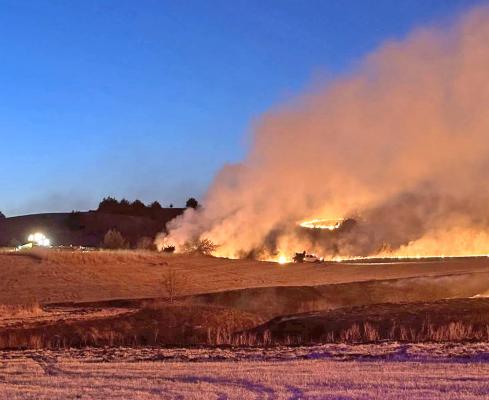
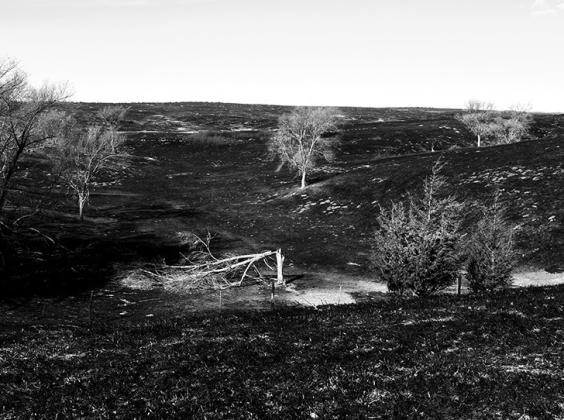
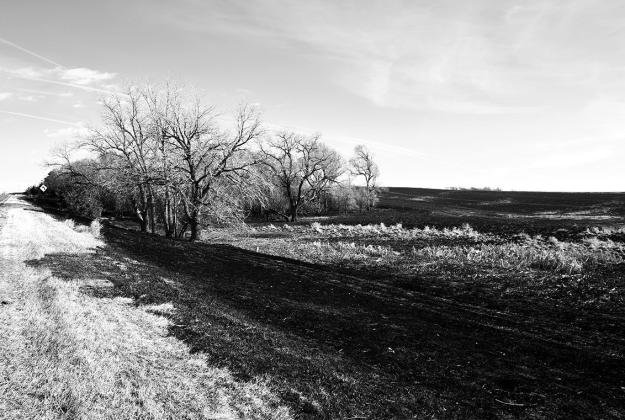
Last week residents of northern Lincoln and Dawson, and southern Custer Counties were given a stark reminder of just how devastating grass fires can be, and how quickly they can spread.
The fire broke out early Monday afternoon, Feb. 26, north of North Platte. Fueled by strong winds and dry grass, the fire spread quickly engulfing open areas of farm ground and forcing multiple evacuations. Though dozens of departments from across the state, including Callaway, responded to the fire it continued to burn for several days.
Region 51 Emergency Management ordered additional support from many Nebraska fire departments. The Nebraska National Guard and Nebraska State Patrol also assisted with aerial support and drone needs.
Dubbed the Betty’s Way Fire because the original call came from a resident on Betty’s Way near North Platte, by Thursday evening fire managers were reporting significant progress labeling the fire as 98 percent contained. An initial damage assessment shows the Betty’s Way fire destroyed four primary residences and damaged countless outbuildings and agricultural infrastructure. No injuries or fatalities have been reported.
According to Maria Tibbetts, UNL Beef communications specialist, area cattle producers affected by the wildfires are invited to attend an informational meeting to learn about resources available to help them recover. The meeting is Tuesday, March 12, at 6:30 p.m. at the West Central Research, Extension and Education Center in North Platte and will include a free meal sponsored by Nebraska Volunteer Organizations Active in Disaster. Please RSVP to the Lincoln Logan-Logan-McPherson County Extension office.
Producers will hear from the Farm Service Agency, Natural Resource Conservation Service, Nebraska Extension, Nebraska Cattlemen, and others who can answer questions about assistance programs and cattle and range management after a fire. The recent fires burned more than 70,000 acres in central Nebraska.
“Our message to producers at this point is to not get in a hurry,” said Bruce Solko, Lincoln County FSA executive director. “As unpleasant as it is, they need to document any livestock losses with photos or documentation of loss by a veterinarian. Producers can receive compensation for the loss of value of an animal affected by the fire when they are sold or die up to 30 days after the fire. Any losses that are not immediate will need a veterinarian statement as to the cause of death. Animals that were sold because of the fire require sale receipts.”
FSA and NRCS have programs that can help producers with replacing fence and funding management alternatives to grazing burned areas, in addition to livestock losses. However, those take time to put in motion and are subject to approval, so those agencies recommend producers who are thinking of using those programs talk to staff at their local offices before buying supplies or taking any action.
Miller Repair in Maxwell, Maline Seed and Fence in Gothenburg, and Lincoln County Cattlemen are part of the community efforts coordinating donations of fencing, feed, windbreak materials or sheds, money, and labor.
Nebraska Gov. Jim Pillen declared a disaster for central Nebraska on Monday, Feb. 26. The cause of the fire has been ruled human in nature as the result of a mowing operation near North Platte.