
Time to Prepare for Preconditioning
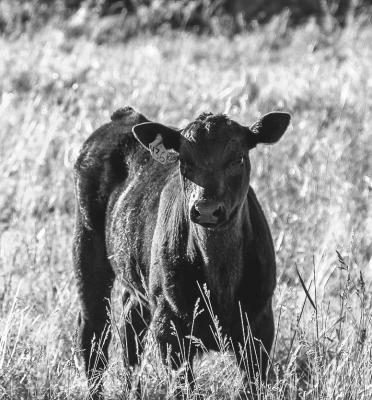
For cattle producers, August means precondition time—the time to start preparing young calves for the stress and challenges associated with weaning. While this specific management practice is not a one size fits all strategy, it is important to weigh the pros and cons: especially in an unusual year like this one.
“When we think about preconditioning, we think about the management steps executed prior to, during and after weaning to ensure optimum health and performance of calves once they leave the ranch,” notes Travis Mullinik, UNL Associate Professor in Range Cow Management. “There is a lot of opportunity and management strategy around preconditioning.”
During the Aug. 11 Webinar hosted by the UNL Center for Agriculture Profitability, Millinik shared more about the process of preconditioning. To him, the biggest benefit of preweaning is its impact on young calves’ health. Preconditioning requires extra vaccinations, which in turn boost the calves’ immune system.
In addition to the added immunity boost, preconditioning practices help to maximize feed efficiency and minimize weaning stress. In the long term, these benefits have brought more money to the feed yard setting. Preconditioned calves that came into the feed yard are usually better bunk trained and have a more established growing diet.
While there may be a financial benefit to precondition cattle, it comes at the cost of extra labor and resources. Preweaning calves requires an extra time through the chute, extra vaccinations, and another opportunity for stress.
For those who choose to precondition their calves, there are two common management strategies and once again, it is important producers evaluate their situation to find what works best for them. Pasture preconditioning enforces less environmental and dietary changes. At the same time, it limits gain as calves are not bunk trained. On the other hand, dry lot preconditioning has the reverse outcomes. This practice often increases calves gain but poses greater stress because of the environmental change.
As an unusually dry fall quickly approaches it is important to start planning for preconditioning and weaning. This year’s dry conditions are going to force earlier preconditioning and weaning schedules and cow-calf producers need to start weighing their options.