
Supporting Individuals During PTSD Awareness Month
Post-Traumatic Stress Disorder, commonly known as PTSD, is a mental health condition that can develop in people who have experienced or witnessed a traumatic event. PTSD Awareness Month is held annually in June to increase public awareness of PTSD, its symptoms, and how it affects those experiencing it.
PTSD can manifest itself in several ways, and its impact on individuals and communities cannot be understated. People with PTSD can struggle to cope with their experiences, and this can result in a host of negative outcomes, including substance abuse and suicidal ideation. Understanding PTSD is necessary to provide appropriate treatment and support for affected individuals. Fortunately, several evidence-based treatments are available for PTSD, including cognitive-behavioral therapy, exposure therapy, and medication. However, many individuals do not seek help due to the stigma surrounding mental health issues.
PTSD Awareness Month aims to increase awareness and understanding that can lead to better support for individuals who struggle with PTSD. One of the biggest challenges of PTSD is the many misconceptions surrounding the condition. It is important to be aware that PTSD is not just limited to combat veterans. It can affect anyone who experiences a traumatic event, such as abuse, car accidents, natural disasters, or even the loss of a loved one.
- The Mayo Clinic lists the seven symptoms of PTSD as: - Always being on guard for danger - Being easily startled or frightened - Irritability, angry outbursts, or aggressive behavior - Overwhelming guilt or shame - Self-destructive behavior, such as drinking too much or driving too fast - Trouble concentrating - Trouble sleeping According to the National Center for PTSD, a program of the U.S. Department of Veterans Affairs, about seven or eight of every 100 people will experience PTSD in their lifetime. Women are more likely than men to develop PTSD. Certain aspects of the traumatic event and some biological factors (such as genes) may make some people more likely to develop PTSD.
Treatment for PTSD can be challenging, and it is essential to have a supportive, multidisciplinary team approach. This approach can include mental health professionals, physicians, nurses, and other allied health professionals. Mental healthcare organizations can offer various modalities for treatment, such as psychotherapy, medications, and even alternative therapies, like music or art therapy, as well as community awareness initiatives and educational programs for staff members.
Ultimately, PTSD Awareness Month is an opportunity to raise awareness, reduce stigma, and improve the care of those who have experienced traumatic events. By supporting individuals with PTSD, we can help them regain control of their lives and thrive.
If you or a loved one is struggling with PTSD or other mental health concerns, we encourage you to connect with your healthcare provider or reach out to a member of our team today.
There is no shame in asking for advice, and we want to give a helping hand so every person can receive the guidance they deserve. Our team is ready to provide any assistance you may need on your journey toward well-being!
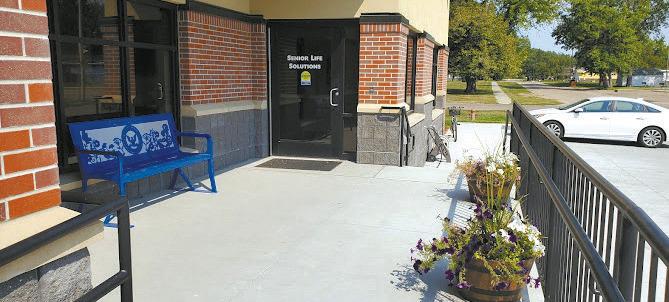
We are your Callaway District Hospital’s Senior Life Solutions program, designed to meet the unique needs of individuals typically 65 and older, experiencing depression and/or anxiety related to life changes that are often associated with aging.
If you or someone you know could benefit from this program, don't hesitate to get in touch with us. Call us today at 308-836-2153.