
State Board of Education Update
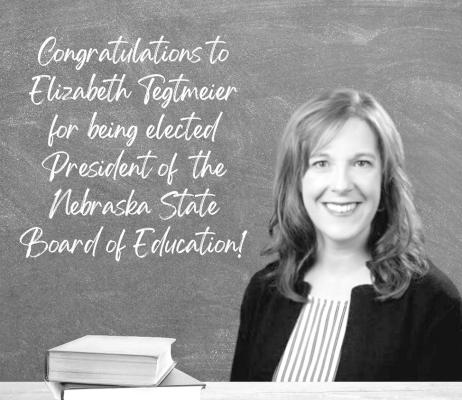
The Nebraska State Board of Education held its monthly meeting on February 7 in Lincoln.
Nebraska Literacy Project
After two months of delay, the board approved the plan for increasing literacy proficiency across the state which focuses on phonological awareness, phonics, fluency, vocabulary, and comprehension.
The plan includes professional development in evidence-based reading instruction for current elementary educators as well for future teachers through teacher preparation programs at Nebraska’s colleges and universities. Regional literacy coaches will assist schools and ESUs in providing this training.
Additionally, the department will collect data to measure the effectiveness of the literacy initiatives and for implementation of the professional development.
Finally, resources are being developed to assist families in strengthening literacy and language development for young children.
One request I have consistently made of the department is to find ways to ensure children and families living in rural Nebraska have access to literacy resources through libraries and online resources.
National Assessment of Educational Progress Results The board received a report on the results of the national normed test often called NAEP which is given every two years. This test measures student performance, changes over time, and differences between states.
Approximately 8,000 Nebraska students were randomly selected to participate in the assessment in the spring of 2024.
In fourth grade, math proficiency dropped four points from 2022 and has dropped eight points since its peak in 2017.
Likewise, fourth grade reading proficiency dropped seven points from 2022 and has dropped 15 points from its peak in 2017. Nebraska reading proficiency is now two points below the national average.
Math proficiency for eighth grade rose one point from 2022 and remains eight points above the national average. However, Nebraska’s score has had an eight-point decline since 2017.
Eighth grade reading proficiency is three points lower from 2022 and is one point below the national average. It too has seen a decline of 13 points since 2017.
The results of this test emphasize that changes must occur in education. The Commissioner of NDE has pledged a return to the basics. In upcoming months, schools and parents can partner with educational leaders in efforts to raise proficiency rates and help students have a more successful future.
Mental Health Grant Cuts Out Parents
NDE staff sought approval to distribute grants earmarked for mental health training of school staff including teachers and other personnel employed by a district. This agenda item failed in a 4-4 vote.
According to documents from NDE, after an eighthour training, school staff would then engage in the mental health triage of students in areas of clinical depression, anxiety disorders and crisis situations as well as the development of action plans for referrals to local mental health services.
Furthermore, the application for the grant stated an additional purpose of increasing school staff’s awareness of community mental health resources which would “enable them to connect students with appropriate care effectively.”
My primary objection is nowhere in the documents from NDE staff does the training mention or include the role of parents as teachers identify mental health issues and make referrals. As a parent, I have objections to my child receiving counseling or a referral to counseling without my knowledge and permission.
I also have concerns about the triage of mental health issues after only an eight-hour class as school counselors and licensed mental health practitioners undergo hours of training and counseling sessions observed by a licensed practitioner.
Finally, asking teachers to become pseudo-mental health providers adds more duties and responsibilities to teachers without removing anything they are currently expected to do.
There currently exists a mental health referral system within each school district for teachers to utilize school counselors and administration when a concern arises about a student. This allows staff trained in mental health to assist students.
I look forward to future proposals for student mental health that include the role of parents, utilize highly trained professionals, and don’t increase the workload of teachers.
Increased Oversight of $55 Million Literacy Grant When the board accepted the federal literacy grant in September of 2024, the motion to accept also included a phrase that allowed the commissioner to enter contracts and subawards of the grant.
After looking into several board documents and conferring with staff as well as state officials, I discovered this motion removed all board oversight of the financial aspects of the grant.
As board president I am not able to make motions during a meeting, so I asked Kirk Penner of District 5 to make an amended motion that would allow the board oversight of how the $55 million will be dispersed.
His motion at the February meeting was unanimously supported and returned oversight of all contracts and subawards over $50,000 back to the board for approval. This aligns the dispersal of the grant with board operating policy concerning contracts and subawards.
The next meetings of the board are scheduled for March 6-7 in Lincoln at the NDE building located at 500 S. 84th. The public is welcome to attend or view online through the Nebraska Department of Education website.
This summary is written by Elizabeth Tegtmeier, Nebraska SBOE District 7 Representative, and is not an official statement of the board.