

Non-Tyson Beef...It’s What’s For Dinner
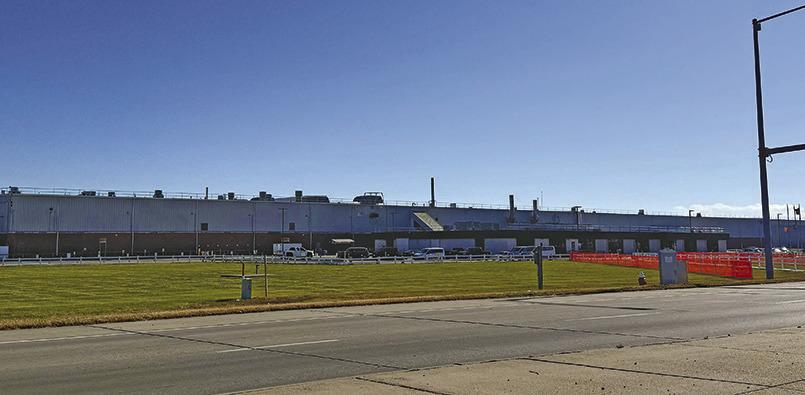
Since Tyson’s announcement of the impending closure of the Lexington facility, news outlets across the country have reported its effects on the public, particularly the loss of employees. While Lexington may take a direct hit, folks also wonder about their local producers.
Kelly (Keiser) Terrell, a Gothenburg native and Nebraska Cattlemen’s member, echoed Governor Pillen and other state representatives, expressing her disappointment in Tyson’s decision. While the loss of a Big-Four facility will certainly hurt, Shane, Kelly’s husband and a local veterinarian, tries to keep it all in perspective.
“In the short term, the impact will be with increased shipping costs for producers. In the long term, the effect of losing slaughter capacity will have a much greater impact on beef producers,” said Shane.
Indeed, one of the biggest problems producers will face is transportation fees, which could be larger given further travel distance to slaughter. In addition, there may not be enough truckers to go around for an even greater distance of transportation to the slaughterhouse.
“With short cattle supplies, the effect on producer leverage will be felt much greater when we are on the other side of the cattle cycle,” Shane commented. Simple issues of supply and demand, particularly with cattle and slaughterhouse capacity, will undoubtedly play a role in travel costs, but it’s not all bad news.
The recent announcement of North Platte’s Sustainable Beef has cattle producers across the country watching with anticipation. This is because North Platte’s model is unique in the fact of being producer-owned and supply chain integrated, meaning that ranchers, feeders, processors, and retailers all work together for the same outcome - beef. Having an entirely new system may provide some much-needed relief, in addition to inspiring more cattle plants to head this way.
In the midst of all this, Nebraska Cattlemen’s mindset remains steadfast through members like the Terrells. Kelly stated, “My role remains the same; we’re trying to promote and educate people about beef. And while we’re disappointed, we’ll keep working on how we can find ways to get facilities to come here.”
Either way, beef will still be on the dinner table, but not from Lexington anymore. According to a report from Dennis & Smith, the Lexington plant employs roughly 3,200 people and can slaughter almost 5,000 cattle per day, which is approximately 4.8% of total daily U.S. beef slaughter. The plant is scheduled for closure on Jan. 20.