

Harvest Fire Danger High This Year
With average precipitation four to six inches below normal in Dawson County during 2022 and the region having received less than a half-inch of precipitation during October, the harvest fire danger is high.
Across the state volunteer fire departments have been handling a multitude of combine, baler, hay bale and field fire calls. In the tinder dry conditions, a mere spark can start a blaze in seconds.
Area fire departments note they have been fortunate in not having too many harvest-related fire calls. “The media has had a lot to do with this,” noted Lexington Volunteer Fire Department Chief Bo Berry. “They have brought the danger to people’s attention and pushed the caution mentality. Farmers know that with the expense of equipment they have to take care of it and maintain it.”
Daily maintenance is key to preventing fires and based on experiences from past fire seasons, Berry noted a number of producers now drag log chains behind combines which have helped combat static induced fires.
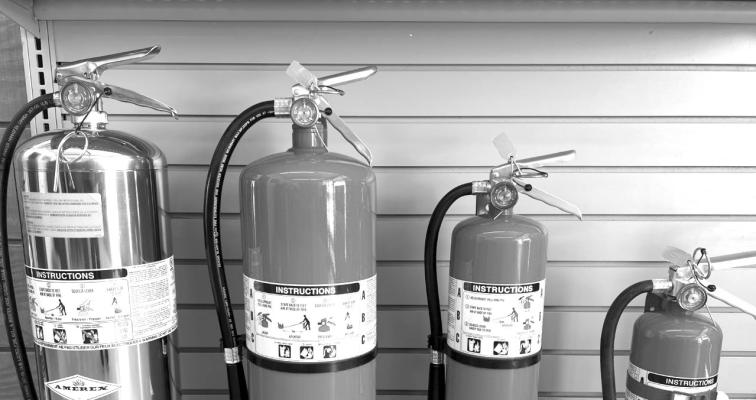
Other preventive measures which have helped mitigate fire spread include having tractors and disks at the ready and having water tank tenders close by, said Berry. “Another good idea is to get out and do a walk about between loads for an equipment check. Make sure all your equipment has fire extinguishers, but make sure the gauges are in the green.”
Another tip to get the most out of your fire extinguisher said Berry it to take a mallet to the bottom of the extinguisher and tap it two or three times to be sure the chemical is shaken up. “If you can’t feel it moving around it’s time to get a new one,” he said.
Fortunately, Cozad has a company that can service fire extinguishers, W Bar Fire Extinguishers. With the drought and input costs, they are a very important tool to have in case a bearing goes, a wiring harness catches fire or a truck backfires in corn shucks, noted the chief.
Another way producers can help out their respective fire departments is to keep access to irrigation wells and center pivot heads clear in case they do need water to fight a field fire. “Speaking for our department, the farther we get away from town it’s harder to get back to town and refill tanker trucks,” said Berry. “Even if electricity to wells has been shut off for the season, we do have the capability and cooperation with our local power district to turn those irrigation wells back on to pump water in an emergency.”
Tracking fire danger is also aided by “Risk Explorer,” recently launched by the National Weather Service (NWS) in cooperation with the Nebraska Forest Service. Using maps developed by the NWS the Explorer considers the relative humidity, wind gust, fire danger, precipitation and maximum temperature forecasts to issue a daily color-coded fire danger outlook. It even has an area to enter your address for a precise location within the statewide map. The link is www.nebraskawildfirerisk.com.