

Assessing Early Season Crop Damage
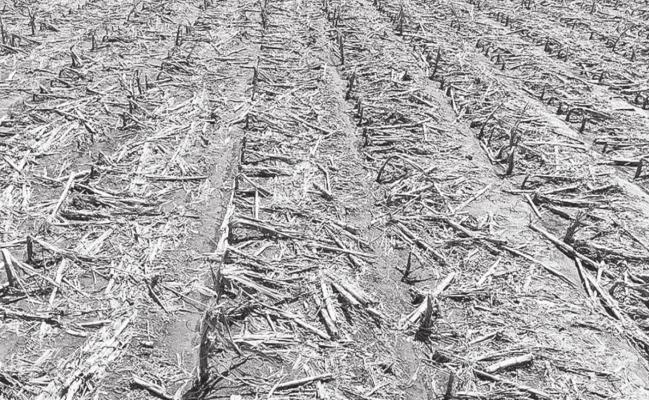
Wind and hail damage is something that producers face every year and it’ important to consider if replanting i necessary or if the crop will recover When assessing the damage, wait five to 10 days before looking at the crop. It can be cumbersome to wait that long, bu it’s important to see how well the crop recovers on its own.
The great thing about corn is that the growing point is below the ground until V5-V6, so depending on the damage and growth stage, the plant should be able to recover just fine. Some of the leaves that were shredded will slough off over time and new leaves should emerge without too many issues.
Soybeans are a little different as their growing point is above ground making them slightly less forgiving depending on the damage sustained. Soybeans have additional growing points at the axillary buds. However, if they sustain severe wind or hail damage to the point where plants are cut off below the cotyledons, they won’t recover very well. Check where damage was sustained in respect to the cotyledons, see if new growth is present at the axillary buds, and determine if the plant will survive.
It’s getting late for replanting options in corn if you want to maximize yield potential. You may want to consider switching to another crop, if possible, but pay close attention to rotational restrictions on herbicides that have already been applied. Soybeans have the amazing capability to compensate for stand losses with increased branching. Therefore, if stands are above 50,000- 60,000 plants/acre, replanting is probably not necessary. Weed control will be important in these situations where stands are reduced so do what’s best for your operation.
More information about this topic can be found on UNL’s CropWatch website.