
Letter to The Editor
When Americans volunteer to serve in uniform, they enter into a contract with their nation. They agree to place themselves in harm’s way, to answer the call wherever duty requires, and, if necessary, to sacrifice their health, their future, and even their lives in defense of our freedoms. In return, America makes a promise.
That promise is simple: if military service leaves a veteran injured or ill, our nation will provide the care, support, and compensation they have earned through their sacrifice. Today, that promise is being tested.
Congress is considering legislation known as the Take Care of America’s Veterans Act. While the Veterans of Foreign Wars supports efforts to improve programs and services for veterans, we strongly oppose provisions that would fund those improvements by reducing future disability compensation for veterans suffering from service-connected conditions such as tinnitus and sleep apnea. The issue extends far beyond any single disability.
Veterans’ benefits are not government handouts. They are an earned obligation of the nation. Disability compensation exists because military service can leave lasting physical and emotional wounds. These benefits are part of the contract America makes with those who serve.
For generations, disability ratings have been based on medical evidence and the real-world impact a service- connected condition has on a veteran’s life. Those determinations should remain grounded in medicine and science - not budget calculations.
The Veterans Affairs disability rating system was deliberately designed to rely on medical evidence, public input, and expert review. Thousands of veterans and stakeholders have already participated in that process regarding these proposed changes. Their voices deserve to be heard, and Congress should not predetermine the outcome before that process is complete.
The conditions being targeted are not minor inconveniences. Tinnitus is one of the most common service-connected disabilities among veterans and is often linked to military noise exposure, blast injuries, and combat service. Sleep apnea can significantly affect a veteran’s health, quality of life, and ability to work. Treatment is not the same as a cure. A CPAP machine may help manage sleep apnea, but it does not eliminate the condition. Veterans should not be penalized for following their doctors’ prescribed treatment plans.
Congress should strengthen veterans’ programs without creating new costs for disabled veterans and their families. Veterans should never be asked to finance veterans legislation through reductions in benefits they have already earned.
Here in Nebraska, veterans continue serving long after their military careers have ended. They are farmers, ranchers, teachers, small business owners, first responders, community leaders, and volunteers. They remain committed to their communities because service is part of who they are.
Our nation should show the same commitment to them.
If Congress can reduce compensation for one service-connected condition today, what prevents a future Congress from targeting another tomorrow? Veterans’ disability compensation should never become a funding source whenever lawmakers need to pay for a new initiative.
As America approaches its 250th anniversary, we should remember a simple truth: veterans kept their promise to our nation. Our nation must keep its promise to them. Earned veterans’ benefits are an obligation of the nation, not a source of savings.
A grateful nation pays its debts to veterans; it does not send them the invoice.
America asked veterans to honor their contract. Now it is time for America to honor its own.
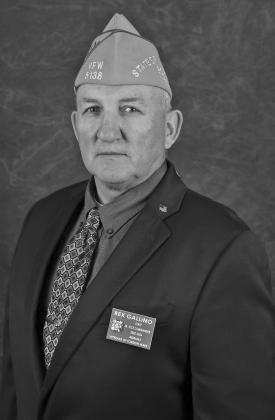
Rex Gallino, State Commander, Veterans of Foreign Wars, Department of Nebraska